
VVT-i Toyota Engines: How Variable Valve Timing Works and What Fails First
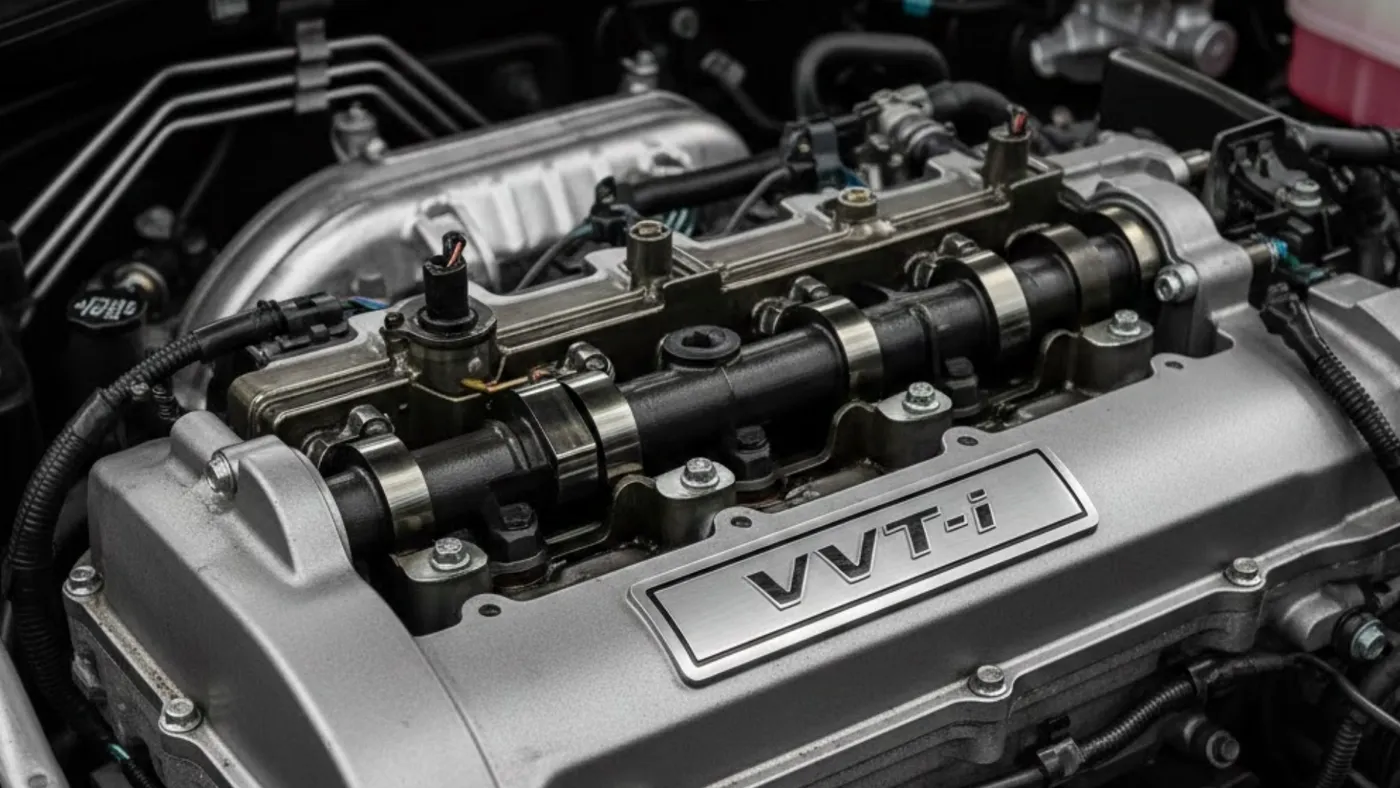
vvti toyota engines combine proven Japanese reliability with smart valve timing technology to squeeze more power, better fuel economy and lower emissions out of relatively small capacity motors.
What is a vvti toyota engine and what makes it different from older Toyota motors?
A vvti toyota engine uses Variable Valve Timing with intelligence to shift the opening and closing of the valves in relation to piston position so that the same engine can behave like several engines in one. At low rpm the cam timing is set for strong low end torque and smooth idle. As revs and load increase the engine control unit advances or retards the camshaft to improve cylinder filling, which boosts power while keeping consumption under control. Older fixed timing engines had to compromise with a single cam profile that could not adapt to changing conditions, so they often felt flat either at low rpm or at the top end.
For everyday owners the benefit is simple: better pull from a small engine, smoother driving in traffic and less fuel used on the same route, provided the engine is maintained correctly.
How does Toyota’s VVTi system control valve timing in practice?
Inside the cylinder head, the VVTi system combines an oil control valve, a hydraulic cam phaser and the engine control unit to continuously adjust timing. The ECU reads signals from crank and cam sensors, throttle position, airflow and coolant temperature, then commands the oil control valve to route pressurised engine oil into the advance or retard chambers of the cam phaser. As oil fills these chambers it gently rotates the camshaft relative to the timing chain, changing when the valves open and close.
In some engines VVTi is applied only to the intake cam, while in dual VVTi designs both intake and exhaust cams can be adjusted for even finer control. The result is an engine that idles smoothly in traffic yet pulls strongly when you accelerate onto the highway. If you want to understand the general theory in more depth, the article on variable valve timing on Wikipedia gives a useful technical background.
Which Toyota models in South Africa commonly use VVTi engines?
In South Africa VVTi is found in most petrol powered Toyotas built from the early 2000s onward. Popular examples include Corolla and Corolla Quest sedans that use 1.4 to 1.8 litre VVTi engines, Yaris hatchbacks with compact 1.3 and 1.5 litre units, and Avanza and Urban Cruiser people movers that run small but hard working motors in daily city use. Many RAV4 models, some petrol Hilux variants and numerous Lexus vehicles also rely on VVTi or dual VVTi for their balance of torque and efficiency.
Because these cars are often kept on the road for well over 200 000 km as family, taxi or fleet vehicles, demand for correct code replacement engines is strong. Buyers often turn to established suppliers with wide brand coverage, checking stock via a central brands page before choosing a specific engine code for a repair or swap.
What are the most common symptoms of VVTi related problems?
VVTi problems usually start as drivability issues long before anything catastrophic fails. Drivers often notice a rough or hunting idle once the engine is warm, hesitation or flat spots when pulling away from robots, reduced fuel economy and a check engine light that comes and goes. Fault codes may show cam timing or VVT performance errors, and on high mileage engines you can hear rattling from the timing chain area during cold start.
In more advanced cases the engine may feel fine at low rpm but lose power at higher revs because the camshaft cannot advance or retard properly. Since these symptoms can overlap with ignition and fuel system faults, proper diagnosis is essential so that money is not wasted on random parts.
Typical symptom checklist for VVTi issues:
- Rough or unstable idle when warm
- Noticeable loss of low rpm torque or mid range pull
- Increased fuel consumption compared to past averages
- Check engine light with cam timing or VVT system codes
- Rattling or clattering from timing chain area at start up
Which components usually fail first in vvti toyota engines?
The components that tend to fail first in VVTi engines are those most sensitive to oil quality and cleanliness. The oil control valve and its small filter screen are very vulnerable to sludge and varnish from infrequent oil changes. When they clog, the valve can stick or respond slowly, so the cam phaser does not move as commanded. Over time the cam phaser itself can wear internally, especially on engines that have been run with low oil levels, leading to a diesel like rattle and timing instability.
The timing chain, guides and tensioner also wear with mileage, which can cause stretching, slack and eventually the risk of the chain jumping a tooth. Once timing jumps, valves and pistons can meet, turning a manageable VVTi repair into a full engine replacement. On very neglected engines you may also see cam journal scoring and lifter wear because dirty oil has been circulating through the system for too long.
Simplified overview of early failure points:
| Component | Typical cause of failure | Common symptom at the wheel |
|---|---|---|
| Oil control valve | Sludge from old or wrong oil | Hesitation, VVT codes, inconsistent response |
| OCV filter screen | Blocked with debris | Delayed VVT engagement, rough running |
| Cam phaser | Internal wear, low oil pressure | Rattle at certain rpm, timing deviation codes |
| Timing chain and guides | High mileage, poor lubrication | Start up rattle, cam or crank correlation errors |
How do mechanics diagnose VVTi faults accurately?
Accurate diagnosis relies on combining scan tool data, mechanical inspection and sometimes oscilloscope testing. A technician will first read fault codes, then monitor live data to see how quickly actual cam angle follows commanded angle when the ECU requests VVTi movement. If the response is slow or incomplete, they will inspect the oil control valve and filter screen, measure base oil pressure and verify that the timing chain is correctly aligned.
In some cases they may apply a direct control signal to the oil control valve to see if the camshaft responds as expected, which helps separate electrical faults from mechanical issues inside the phaser or timing assembly. Compression and leak down tests are used to confirm the health of the cylinders if there has been suspected timing jump. Only after this structured process should a workshop recommend either targeted repair or complete engine replacement, instead of guessing and throwing parts at the problem.
When is it still worth repairing a tired VVTi engine?
Repairing a tired VVTi engine makes sense when the bottom end is healthy and the problems are limited to bolt on or timing components. If oil pressure is good, compression across all cylinders is even and there is no history of severe overheating, then replacing the oil control valve, cleaning the filter screen, fitting a new timing chain kit and refreshing seals can restore performance for many more kilometres.
This option is often preferred on relatively low mileage vehicles with full service history where sludge is minimal and internal wear is not advanced. The key is to get a realistic quotation that compares the cost of quality parts and labour against the value of the vehicle and the price of a replacement engine. For owners who want to keep a trusted car on the road without dealing with registration changes, a well executed repair is often the most economical path.
When is a replacement VVTi Toyota engine the better option?
A replacement engine becomes the smarter choice when there is deep internal damage such as spun bearings, heavy scoring on crank and cam journals, severe overheating that warps the cylinder head and block, or timing failure that bends multiple valves. In these cases the combined machining and parts cost for a full rebuild can exceed the price of a good used or imported engine with a warranty.
Many South African workshops use a rule of thumb that if the repair cost is approaching half of the vehicle’s current value, it is time to consider replacement. Sourcing a matching VVTi engine by code from a specialist that provides compatibility checks, warranty terms and nationwide delivery simplifies the process. Buyers often look at imported engines for sale in South Africa for local fitment as well as shipments to other provinces so that downtime is minimised and the car returns to the road with a fresh heart.
What maintenance habits keep a vvti toyota engine healthy for longer?
A vvti toyota engine is not particularly fragile but it is highly sensitive to poor lubrication. The most important maintenance habit is regular oil and filter changes using the correct grade and specification, especially if the car sees lots of short trips or heavy city driving. Checking the dipstick between services and topping up promptly prevents the low oil conditions that accelerate cam phaser and chain wear.
It is also wise to replace the PCV valve and clean the intake system at sensible intervals to reduce deposits, and to address coolant or oil leaks as soon as they appear instead of driving for months with a low level. Using quality fuel and avoiding long periods of high rpm on a cold engine further reduces stress. Finally, when the check engine light comes on, drivers should scan for codes early instead of ignoring the warning until a simple VVTi issue has grown into a major mechanical failure.
How can South African buyers choose the right VVTi Toyota replacement engine supplier?
Choosing the right supplier for a VVTi Toyota replacement engine starts with checking reputation, product range and warranty terms. Reputable companies focus on engines and gearboxes and can explain exactly what is included with each unit, from ancillaries to sensors. They will match engine codes to specific models, confirm compatibility with your existing ECU and wiring, and provide written warranty conditions that outline what is covered and for how long.
Many South African buyers prefer suppliers that specialise in imported and local second hand engines and that can arrange delivery to workshops nationwide. It also helps when the same company offers technical support and, if needed, referrals to trusted installers who understand Toyota VVTi engines and can handle fitment, fluids and aftercare correctly so that the replacement engine has the best possible start in its new chassis.
Need a replacement engine or gearbox? WhatsApp +27 (0)67 163 9326 or email sales@homeofengineworld.co.za with your VIN or engine code and we will check fitment for you.