
NP200 Engine for Sale in South Africa: Nissan 1.6 K7M Replacement Engine Guide
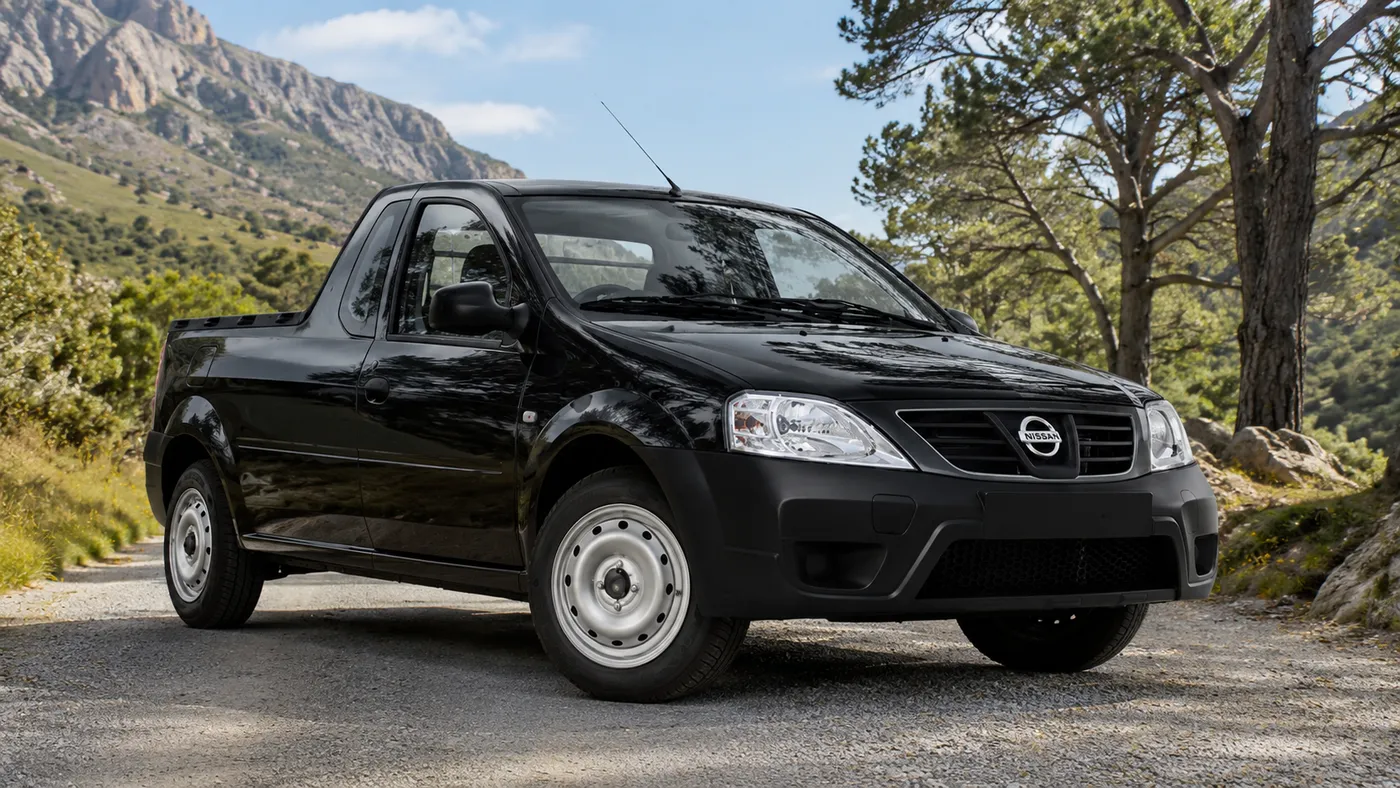
An NP200 engine replacement is commonly required when a Nissan NP200 has suffered severe overheating, low compression, timing-belt damage, excessive oil consumption or another major internal engine failure. For the Nissan NP200 1.6 8V petrol model, the correct replacement is commonly the K7M 1.6-litre engine.
Buyers should not order an engine according to the words “Nissan NP200 engine” or “NP200 1.6 engine” alone. The NP200 range was sold with different petrol and diesel engines, including the K7M 1.6 8V, K4M 1.6 16V and K9K 1.5 dCi diesel. These engines differ significantly in their cylinder heads, fuel systems, electronics, timing components and supporting hardware.
This guide explains Nissan NP200 K7M specifications, K7M versus K4M compatibility, common engine problems, timing-belt maintenance, second-hand engine checks and what South African buyers should confirm before purchasing and installing a replacement engine.
What Engine Does the Nissan NP200 1.6 8V Use?
The Nissan NP200 1.6 8V petrol model uses the K7M four-cylinder petrol engine. In the documented NP200 application, the K7M has a displacement of 1,598 cc, uses eight valves with two valves per cylinder and is naturally aspirated.
Nissan specifications list the K7M NP200 at approximately 64 kW at 5,500 rpm and 128 Nm at 3,000 rpm. The engine uses multipoint petrol injection and is commonly paired with a five-speed manual transmission.
The K7M should not be confused with the K4M 1.6 16-valve petrol engine. Although both engines have approximately the same capacity, their cylinder-head designs, power outputs and engine-management requirements are different.
Nissan NP200 K7M Engine Specifications
The following specifications provide a useful reference when identifying a replacement NP200 engine. Engine capacity alone is not sufficient to confirm fitment, so the K7M engine code, VIN and vehicle configuration should also be checked.
Nissan NP200 1.6 K7M engine specifications:
| Specification | Nissan NP200 K7M | Why It Matters |
|---|---|---|
| Engine code | K7M | Primary replacement-engine identifier |
| Capacity | 1,598 cc / approximately 1.6L | Capacity alone does not confirm compatibility |
| Cylinder layout | Inline four-cylinder | Standard NP200 petrol-engine configuration |
| Valves | 8 valves / 2 per cylinder | Distinguishes the K7M from the K4M 16V |
| Fuel type | Petrol | Must match the original vehicle fuel system |
| Aspiration | Naturally aspirated | The standard K7M does not use a turbocharger |
| Fuel system | Multipoint petrol injection | ECU, sensors, injectors and wiring must be compatible |
| Maximum power | 64 kW at 5,500 rpm | Documented NP200 K7M specification |
| Maximum torque | 128 Nm at 3,000 rpm | Documented NP200 K7M specification |
| Bore x stroke | 79.5 x 80.5 mm | Useful technical reference when identifying the engine |
| Transmission | Five-speed manual in the documented NP200 application | Gearbox compatibility should still be confirmed before purchase |
| Common application | Nissan NP200 1.6 8V | VIN and engine code should be checked before ordering |
Is Every Nissan NP200 Engine the Same?
No. Several different engines were fitted to the Nissan NP200, which makes the engine code more important than the vehicle name when sourcing a replacement.
The main documented options include the K7M 1.6 8-valve petrol engine, K4M 1.6 16-valve petrol engine and K9K 1.5 dCi turbo-diesel engine.
Main Nissan NP200 engine differences:
| Engine | Configuration | Key Difference |
|---|---|---|
| K7M | 1.6 petrol, 8 valves, naturally aspirated | Common engine used in NP200 1.6 8V models |
| K4M | 1.6 petrol, 16 valves, naturally aspirated | Different cylinder head, higher output and different electronics |
| K9K | 1.5 diesel, turbocharged | Uses diesel common-rail injection and a completely different fuel system |
An engine should therefore be matched according to its code and original vehicle configuration rather than displacement alone.
What Is the Difference Between the K7M and K4M NP200 Engines?
The most important difference between the K7M and K4M petrol engines is their cylinder-head design. The K7M uses an eight-valve layout, while the K4M uses a 16-valve cylinder head and produces more power.
Nissan NP200 K7M versus K4M engine comparison:
| Feature | K7M | K4M |
|---|---|---|
| Capacity | 1,598 cc | 1,598 cc |
| Fuel type | Petrol | Petrol |
| Valves | 8 valves | 16 valves |
| Valves per cylinder | 2 | 4 |
| Common NP200 power output | 64 kW | Approximately 77 kW |
| Common NP200 torque | 128 Nm | Approximately 148 Nm |
| Aspiration | Naturally aspirated | Naturally aspirated |
| Replacement compatibility | Match with a K7M-equipped NP200 | Should not automatically replace a K7M |
Replacing a K7M with a K4M should therefore be treated as an engine conversion rather than a straightforward replacement. Wiring, sensors, ECU configuration, intake components and other supporting systems can differ.
How Do You Identify the Correct NP200 Engine?
The safest way to identify the correct NP200 engine is to use the existing engine code together with the vehicle VIN and original specification.
For an NP200 1.6 petrol, confirm whether the vehicle uses the K7M 8V or K4M 16V engine. The production year, gearbox type, fuel type and existing engine configuration should also be supplied to the seller.
Clear photographs of the original engine can help when confirming compatibility, particularly photographs showing the intake manifold, wiring connectors, mounting points and gearbox side.
Home of Engine & Transmissions can assist buyers with engine-code compatibility and gearbox fitment. Questions about fitment or availability? WhatsApp +27 (0)67 163 9326 or email sales@homeofengineworld.co.za.
Does the Nissan NP200 K7M Use a Timing Belt?
Yes. The Nissan NP200 K7M uses a timing belt to synchronise the crankshaft and camshaft. Timing-belt condition is an important maintenance consideration because deterioration, incorrect tension or failure can disrupt engine timing and potentially cause serious mechanical damage.
When a second-hand replacement engine is already removed from the donor vehicle, it provides a good opportunity for the workshop to inspect the timing belt, tensioner, timing covers and accessible seals before installation.
If the maintenance history is unknown, preventative timing-system maintenance should be considered before the replacement engine is installed.
What Happens if a K7M Timing Belt Fails?
A failed timing belt causes the crankshaft and camshaft to lose their correct synchronisation. Depending on how the failure occurs, this can result in valve damage, cylinder-head damage, compression loss and possible piston-to-valve contact.
If an NP200 suddenly stops following a suspected timing failure, the timing system and engine compression should be assessed before deciding whether the existing engine should be repaired, rebuilt or replaced.
What Are Common Nissan NP200 K7M Engine Problems?
The K7M is a relatively straightforward naturally aspirated petrol engine, but age, mileage, overheating and poor maintenance can still cause significant mechanical and drivability problems.
Common Nissan NP200 K7M problems and symptoms:
| Symptom | Possible Causes | Recommended Checks |
|---|---|---|
| Engine misfire | Spark plugs, ignition coil, injector fault, vacuum leak, incorrect timing or low compression | Diagnostic scan, ignition testing and compression testing |
| Loss of power | Restricted intake, throttle contamination, ignition problems, fuel-delivery faults, exhaust restriction or low compression | Inspect the intake, ignition, fuel system, exhaust and compression |
| Rough idle | Vacuum leaks, dirty throttle body, injector imbalance, ignition faults, intake leaks or low compression | Inspect hoses, throttle body, intake, ignition system and compression |
| Overheating | Coolant loss, radiator fault, thermostat, water pump, cooling fan, damaged hose or head-gasket problem | Pressure-test and inspect the complete cooling system |
| High oil consumption | Piston rings, cylinder wear, valve-stem seals, crankcase ventilation or external oil leaks | Inspect for leaks and perform compression or leak-down testing |
| Low compression | Valve damage, piston-ring wear, cylinder wear, head-gasket failure or incorrect timing | Compression and leak-down testing |
These symptoms do not automatically mean the complete engine needs replacement. Ignition, fuel-delivery, sensor, vacuum and throttle-related faults can cause serious drivability problems while the base engine remains mechanically serviceable.
Why Does an NP200 K7M Misfire or Run Roughly?
A K7M misfire can originate from the ignition system, fuel system, intake system or internal engine. Spark plugs, ignition coils, injectors, fuel pressure, vacuum leaks, intake-manifold leaks and incorrect engine timing are all possible causes.
Rough idle can also be caused by damaged vacuum hoses, throttle-body contamination or injector imbalance. These faults should be tested before the engine itself is condemned.
If the ignition, intake and fuel systems are functioning correctly, compression testing can help identify valve damage, cylinder wear or another internal mechanical fault.
Why Might an NP200 1.6 Lose Power?
Loss of power does not necessarily indicate major internal engine damage. A restricted air filter, contaminated throttle body, ignition fault, injector problem, low fuel pressure, restricted exhaust or sensor problem can all reduce engine performance.
The intake, ignition, fuel-delivery and exhaust systems should therefore be diagnosed first. Compression testing becomes particularly useful when internal wear or valve damage is suspected.
Can Overheating Damage an NP200 Engine?
Yes. Severe or repeated overheating can cause serious damage to a Nissan NP200 K7M engine, including head-gasket failure, cylinder-head distortion, loss of compression, piston or cylinder damage and bearing damage.
Common cooling-system causes include low coolant, leaking or blocked radiators, thermostat failure, water-pump problems, damaged coolant hoses and cooling-fan faults.
If the original NP200 engine failed because of overheating, the cooling-system problem must be identified and repaired before the replacement engine is installed. Otherwise, the replacement can suffer the same damage.
Why Might a Nissan NP200 K7M Use Too Much Oil?
Excessive engine-oil consumption can result from internal wear or external leakage. Worn piston rings, cylinder wear, valve-stem seal deterioration, crankcase ventilation problems and leaking gaskets or seals are possible causes.
Blue exhaust smoke, frequent oil top-ups, oil-contaminated spark plugs, visible leaks and reduced compression can indicate a problem. Compression testing or leak-down testing can help determine whether the internal wear is severe enough to justify rebuilding or replacing the engine.
Should You Repair or Replace an NP200 Engine?
Whether the K7M should be repaired or replaced depends on the type of fault, the condition of the engine and the total cost of returning it to reliable service.
Nissan NP200 K7M repair versus replacement:
| Repair Option | When It May Make Sense | Main Consideration |
|---|---|---|
| Ignition or fuel-system repair | Compression remains healthy and the fault is external to the engine | Diagnose ignition, intake and fuel systems before replacing the engine |
| Cylinder-head repair | Damage is limited to the cylinder head, valves or head gasket | The lower engine must remain in serviceable condition |
| Timing-system repair | Timing components require replacement without major internal damage | Confirm that valves, pistons and the cylinder head are not damaged |
| Engine rebuild | The block and cylinder head remain economically repairable | Compare machining, parts and labour costs with replacement |
| Replacement K7M engine | Internal damage is severe or replacement is more economical | The correct K7M configuration must be matched to the NP200 |
A replacement engine can become the more practical option following severe overheating, engine seizure, major bearing damage, block damage, significant cylinder wear, very low compression or extensive internal damage after timing-belt failure.
What Should You Check When Buying a Used NP200 Engine?
A used NP200 engine should be checked for both compatibility and physical condition before purchase. For an NP200 1.6 8V, begin by confirming that the replacement is the correct K7M engine.
Compare the replacement with the original engine at the intake manifold, sensors, wiring connectors, engine mounts, sump, gearbox connection and external accessories. Visible evidence of overheating, coolant contamination, oil leakage or poor maintenance should also be considered.
The supplier should clarify which external components are included, what testing has been completed and what warranty and installation requirements apply.
What Should Be Checked During NP200 Engine Installation?
A replacement K7M should not simply be installed without inspecting the supporting systems in the vehicle. This is particularly important if the original engine failed because of overheating, lubrication problems or incorrect timing.
NP200 K7M pre-installation checks:
| Area | What Should Be Checked |
|---|---|
| Timing system | Inspect the timing belt, tensioner and accessible timing components where service history is unknown. |
| Cooling system | Inspect the radiator, thermostat, water pump, hoses and cooling fan, especially after a previous overheating failure. |
| Lubrication | Use the correct oil and oil filter and confirm oil pressure after installation. |
| Ignition and fuel | Check spark plugs, ignition components, injectors, fuel supply and throttle body. |
| Electronics | Compare sensors, wiring connectors and engine-management components with the original engine. |
| Transmission | Check the flywheel, clutch, starter and gearbox connection before final installation. |
| Mounting | Compare engine mounts, brackets and sump clearance with the original NP200 configuration. |
After installation, the workshop should verify oil pressure, coolant circulation, operating temperature, idle quality, fuel delivery and charging voltage. The engine-management system should also be checked for fault codes and the engine inspected for oil, coolant or fuel leaks.
The original cause of engine failure should always be identified before the vehicle returns to normal use.
Does the Gearbox Matter When Buying an NP200 K7M Engine?
Yes. Nissan specifications associate the NP200 K7M with a five-speed manual transmission, but transmission details should still be supplied when ordering a replacement engine.
The flywheel, clutch, starter arrangement, bellhousing interface and engine or gearbox mounting points can affect compatibility. These components become particularly important when the donor K7M comes from another vehicle application.
Is the K7M a Renault-Derived Engine?
The K7M engine family is strongly associated with Renault and has appeared in multiple Renault and Dacia applications. The Nissan NP200 also shares engineering roots with the Renault/Dacia Logan-based utility platform.
This does not mean that every Renault K7M engine is a direct NP200 replacement. A related donor engine may have different engine mounts, sump, intake manifold, sensors, wiring, accessory brackets, flywheel or transmission-related components.
Can a Renault K7M Engine Fit a Nissan NP200?
A related Renault K7M may potentially provide a compatible base engine, but direct fitment should not be assumed.
The engine configuration, cylinder head, intake and exhaust manifolds, sump, engine mounts, sensors, wiring, flywheel, clutch and gearbox connection should be compared with the original Nissan NP200 engine before purchasing a donor unit.
For a straightforward replacement, a K7M already configured for the NP200 is generally preferable because it reduces the number of external components that may need to be transferred.
Can a K4M 16V Replace a K7M 8V?
A K4M may potentially be installed as part of an engine-conversion project, but it should not be considered a direct replacement for a K7M.
The K4M has 16 valves instead of eight, produces more power and uses different cylinder-head hardware, intake arrangements and engine-management components. Installing one in a K7M-equipped NP200 can therefore require changes to the ECU, wiring, sensors and supporting hardware.
For a standard Nissan NP200 1.6 8V replacement, matching the original K7M engine is the simpler option.
Is the K7M the Same as the NP200 Diesel Engine?
No. The K7M is a 1.6-litre naturally aspirated petrol engine, while diesel Nissan NP200 applications use the K9K 1.5 dCi turbo-diesel engine.
Nissan NP200 K7M petrol versus K9K diesel:
| Feature | K7M Petrol | K9K Diesel |
|---|---|---|
| Fuel type | Petrol | Diesel |
| Capacity | Approximately 1.6L | Approximately 1.5L |
| Aspiration | Naturally aspirated | Turbocharged |
| Fuel system | Multipoint petrol injection | Common-rail diesel injection |
| Replacement compatibility | For compatible K7M petrol applications | Not interchangeable with the K7M petrol setup |
The K7M and K9K require completely different fuel systems, electronics and supporting components and should not be treated as interchangeable engines.
What Warranty Applies to an NP200 Replacement Engine?
Buyers should confirm the exact warranty terms that apply to the individual K7M before purchasing or installing it.
Important points can include the period of cover, internal components covered, timing-system requirements, cooling-system requirements, professional installation conditions, required service parts, labour exclusions, transport exclusions and the warranty claim procedure.
Where Can You Buy an NP200 Engine in South Africa?
Used engines from Home of Engine & Transmissions carry a 3-month, unlimited-kilometre warranty on internal components (7 days on the turbo), as long as an RMI-registered workshop fits the engine with new oil, filters, thermostat, plugs and coolant, a radiator flush and, on belt-driven engines, a new timing belt. Manual gearboxes carry a 3-month warranty on internals and automatic gearboxes 2 months, and truck, new or reconditioned units have their warranty confirmed in writing with the quote.
Exact availability, pricing and engine configuration should be confirmed before payment.
For the most accurate compatibility check, provide the vehicle VIN, production year, K7M engine code, gearbox information and clear photographs of the original engine.
What engine does the Nissan NP200 1.6 8V use?
The Nissan NP200 1.6 8V petrol model uses the K7M four-cylinder petrol engine.
What size is the Nissan NP200 K7M engine?
The K7M used in the Nissan NP200 has a displacement of approximately 1,598 cc, commonly described as a 1.6-litre engine.
How much power does the NP200 K7M produce?
The documented Nissan NP200 K7M specification is approximately 64 kW at 5,500 rpm.
How much torque does the NP200 K7M produce?
The documented K7M NP200 specification is approximately 128 Nm at 3,000 rpm.
Is the K7M an 8-valve engine?
Yes. The K7M uses two valves per cylinder, giving it eight valves in total.
Does the Nissan NP200 K7M use a timing belt?
Yes. The K7M uses a timing belt to synchronise the crankshaft and camshaft. Its condition should be considered when fitting a used replacement engine with an unknown maintenance history.
Is the K7M the same as the K4M?
No. Both are approximately 1.6-litre petrol engines, but the K7M has eight valves while the K4M has 16 valves, a higher output and different engine-management requirements.
Is the Nissan NP200 K7M petrol or diesel?
The K7M is a naturally aspirated petrol engine. Diesel NP200 models use the different K9K 1.5 dCi turbo-diesel engine.
Can a Renault K7M engine fit a Nissan NP200?
A related Renault K7M may provide a compatible base engine, but the sump, mounts, intake system, sensors, wiring, flywheel and gearbox connection should be compared with the original NP200 configuration before purchase.
What gearbox does the K7M NP200 use?
Nissan specifications list the K7M NP200 with a five-speed manual transmission.
What information should I provide when ordering an NP200 engine?
Provide the VIN, production year, existing engine code, gearbox type and clear photographs of the original engine and its main connections.
Final Advice Before Buying a Nissan NP200 K7M Engine
The safest way to buy an NP200 engine is to confirm the engine code before making payment. For a Nissan NP200 1.6 8V petrol model, the required engine is commonly the K7M 1.6-litre eight-valve petrol engine.
Do not order according to “NP200 1.6 engine” alone. The NP200 was also offered with the K4M 1.6 16V petrol engine, while diesel models use the completely different K9K 1.5 dCi engine.
Before installation, compare the engine code, intake system, electronics, sensors, engine mounts, timing system and gearbox connection with the original vehicle. The problem that caused the previous engine to fail should also be diagnosed and repaired before the replacement engine enters service.