
Golf 7 R Engine Explained: EA888 Gen 3 Power, Tuning Potential and Weak Points
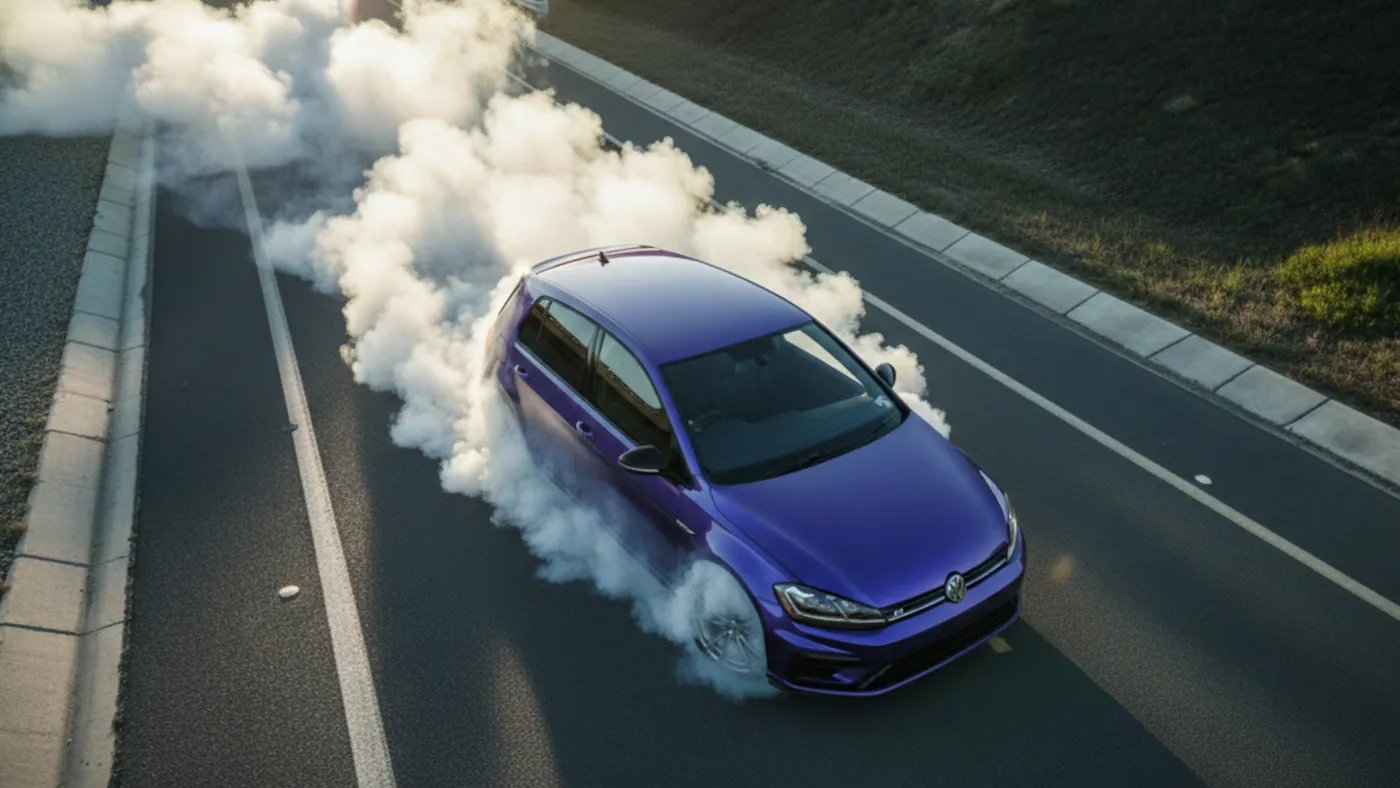
The golf 7 r’s EA888 Gen 3 engine is a compact, high-performance 2.0-litre turbocharged petrol unit that balances daily drivability with strong tuning headroom; this guide explains what owners, mechanics and fleet managers in South Africa need to know about performance, weak points and sourcing replacement engines.
What makes the Golf 7 R’s EA888 Gen 3 engine special?
The EA888 Gen 3 used in the Golf 7 R introduced refinements over earlier EA888 generations: a revised block casting, improved cooling passages, updated turbocharger plumbing and a more robust oiling system. These changes improve response and durability while retaining a compact footprint ideal for front-wheel-drive and 4MOTION all-wheel-drive layouts. The family design also helps with parts availability and interchangeability across Volkswagen Group vehicles.
This makes the unit popular with tuners and mechanics in the automotive industry who look for a balance of factory reliability and upgrade potential. For more technical context, see the EA888 page on Wikipedia.
What are the stock specs and performance figures?
Stock specifications vary by market and model year, but the Golf 7 R’s 2.0 TSI variant commonly quoted uses the EA888 Gen 3 with outputs around 300 PS in higher-spec or facelift versions, and approximately 280–300 bhp in many markets depending on tune and emissions equipment. Peak torque usually sits in the 380–400 Nm range where factory performance maps allow. These figures give brisk acceleration in a compact hatch or bakkie swap application.
Quick reference specifications:
| Item | Typical Spec |
|---|---|
| Displacement | 1,984 cc (2.0 L) |
| Peak Power | ~280–300 PS (market dependent) |
| Peak Torque | ~380–400 Nm |
| Aspiration | Turbocharged, direct injection |
| Overview | EA888 Gen 3 family |
According to Wikipedia, the EA888 engine family entered production in 2007 and the Gen 3 variants appeared around 2012, bringing many of the improvements listed above.
What common weak points should buyers and mechanics watch for?
Even robust engines have failure modes. Common weak points reported in the EA888 Gen 3 fitted to the Golf 7 R include:
- High-pressure fuel system and injector faults under poor maintenance or low-quality fuel.
- Turbocharger and wastegate issues after aggressive tuning or oil-degradation events.
- Vacuum and PCV system leaks that cause rough idle and oil consumption.
- Timing chain tensioner or guide wear in high-mileage or poorly lubricated examples.
These issues are often avoidable with scheduled maintenance, quality oil and prompt attention to check-engine warnings. For fleets and used-engine buyers in South Africa, an imported low-mileage engine from a trusted supplier reduces exposure to high-mileage wear, many local buyers prefer certified units with support.
How reliable is the engine for high-mileage daily use and fleet duty?
Reliability depends on maintenance history, oil-change intervals and how the vehicle was driven. Properly serviced EA888 Gen 3 engines have proven durable across high-mileage examples when kept on quality synthetic oil and with timely replacement of wear items. For fleets or mechanics sourcing second-hand units, choosing a low-mileage or reconditioned crate engine can reduce downtime and long-term cost.
According to the RMI, consumers and fleet owners should verify supplier compliance and warranty terms when importing engines into South Africa, regulatory compliance and documented supplier practices help ensure reliable long-term operation.
What tuning potential and popular upgrades exist for the Golf 7 R?
The golf 7 r’s EA888 Gen 3 responds well to bolt-on upgrades and ECU remaps. Common paths include upgraded downpipes and intercoolers, ECU stage remaps, intake and exhaust improvements, and in more aggressive builds, forged internals and larger turbochargers. Each step should be matched with fuel, cooling and drivetrain upgrades to protect longevity.
Popular upgrade list:
- Stage 1: ECU remap + high-flow air filter + sport exhaust (safe ~20–50% power increase depending on tune).
- Stage 2: Upgraded intercooler + downpipe + supporting fuel system changes.
- Stage 3: Forged internals, larger turbo, upgraded clutch or DSG hardware for high-power builds.
Mechanics in South Africa often advise incremental tuning, combined with a reputable supplier for replacement parts and engines; if you need parts or replacement engines, consider checking local specialist inventories and services such as our installation and sourcing options.
How can I source a low-mileage or rebuilt Golf 7 R engine in South Africa?
Sourcing a reliable unit in South Africa involves choosing an RMI-approved or trusted supplier, confirming warranty terms, and checking whether the engine comes complete with ancillaries (alternator, turbo, pumps) to simplify installation. Many buyers opt for UK-imported low-mileage engines because of availability and value.
Practical steps and supplier options include:
- Search specialist inventory for low-mileage or reconditioned crate engines.
- Used engines from Home of Engine & Transmissions carry a 3-month, unlimited-kilometre warranty on internal components (7 days on the turbo), as long as an RMI-registered workshop fits the engine with new oil, filters, thermostat, plugs and coolant, a radiator flush and, on belt-driven engines, a new timing belt. Manual gearboxes carry a 3-month warranty on internals and automatic gearboxes 2 months, and truck, new or reconditioned units have their warranty confirmed in writing with the quote.
- Check import compliance and registration requirements for replacement engines with the supplier and RMI guidance.
If you need engines specifically in South Africa, look at dedicated imported-engine listings that include compatibility checks and expert support: Imported engines for sale in South Africa.
How compatible are gearbox and ECU pairings with the Golf 7 R engine?
Gearbox and ECU compatibility is critical. The EA888 Gen 3 commonly pairs with manual gearboxes, dual-clutch DSG units, and sometimes adapted automatic transmissions depending on the donor car. Swapping the engine without matching ECU, immobiliser coding and gearbox control modules will usually result in fault codes or non-start conditions.
Key compatibility points:
- Ensure the donor ECU and gearbox control unit match the engine’s emissions and turbo configuration.
- Check the wiring harness differences, harness adaptors or complete harness swaps may be required for non-VAG swaps.
- Confirm clutch or DSG hardware ratings for increased torque if the engine is tuned.
For second-hand gearbox options that pair with EA888 engines, specialist suppliers list high-torque diesel and petrol units; you can explore brands and gearbox replacement services via dedicated brand pages such as second-hand Volkswagen engines and related support.
What should I inspect before buying a second-hand Golf 7 R engine?
A thorough inspection prevents costly surprises. Whether you inspect a crate engine or a unit still in a donor car, perform checks for mechanical soundness, signs of impact, and correct ancillaries. Below is a practical pre-purchase checklist.
| Check | What to look for |
|---|---|
| Compression / leak-down | Even compression across cylinders; low leakage on leak-down test |
| Oil condition | No metal particles, clean oil (dark but not sludgy) |
| Turbo play | Minimal shaft play, no loud grinding |
| Head gasket | No coolant in oil, no milky residue |
| Accessories | Turbo, alternator, pumps included and in good condition |
| Documentation | Service history, import paperwork and warranty terms |
Ask the supplier for a full parts list and whether the engine is complete or crate-only; complete engines that include alternator, turbo and pumps simplify installation and are commonly offered by RMI-approved suppliers. Also, have the ECU and immobiliser status checked before purchase.
Can the Golf 7 R engine be swapped into other cars or bakkies, and what are the considerations?
Engine swapping is common, but the golf 7 r’s EA888 Gen 3 requires careful planning. Mounting points, transmission mating, electronics and emissions systems all need to be addressed. Swaps into compatible VAG platforms are typically more straightforward; non-VAG projects may require custom engine mounts, standalone wiring, and an aftermarket ECU.
Consider these swap steps:
- Confirm physical fitment and engine mounts.
- Plan for drivetrain compatibility, choose a gearbox rated for expected torque.
- Address cooling and exhaust routing, particularly if fitting into a bakkie chassis with different bay geometry.
- Budget for wiring harness work and ECU/immobiliser programming.
For professional installation and parts sourcing, use specialist installation services to reduce project risk.
What are the cost, availability and long-term maintenance considerations in South Africa?
Costs vary by condition, mileage and whether you buy a crate engine or a donor unit. Availability dipped in some periods due to import constraints, but many South African buyers mitigate that by using UK-imported low-mileage engines or second-hand stocks from specialist suppliers.
Long-term ownership tips:
- Use high-quality synthetic oil and adhere to oil-change intervals to protect turbo and timing components.
- Replace wear components (water pump, tensioners, hoses) at intermediate intervals as preventive maintenance.
- When tuning, upgrade the cooling and fuel systems and consider clutch/DSG reinforcement for drivetrain longevity.
Planning for scheduled maintenance and sourcing through trusted suppliers reduces downtime and keeps ownership costs predictable.
Final recommendations: buying, maintaining and tuning the Golf 7 R engine
To summarise: the golf 7 r’s EA888 Gen 3 is a versatile, high-performance engine with strong tuning potential if purchased and maintained correctly. Use verified suppliers, insist on documentation and warranty terms, and match any tuning ambitions to supporting mechanical upgrades. For buyers in South Africa, choose RMI-compliant suppliers and consider nationwide delivery and installation support to simplify the replacement or upgrade process. If you need brand-specific second-hand units, browse specialist brand pages like our Volkswagen listings for matching engine and gearbox packages: second-hand Audi and Volkswagen compatible engines.
Remember: incremental, well-documented upgrades and proactive maintenance are the best ways to keep a tuned EA888 Gen 3 running strongly for many kilometres.
Need a replacement engine or gearbox? WhatsApp +27 (0)67 163 9326 or email sales@homeofengineworld.co.za with your VIN or engine code and we will check fitment for you.