
4D56 Engine Guide: Mitsubishi 2.5 Diesel Specs, Applications and Replacement Checks
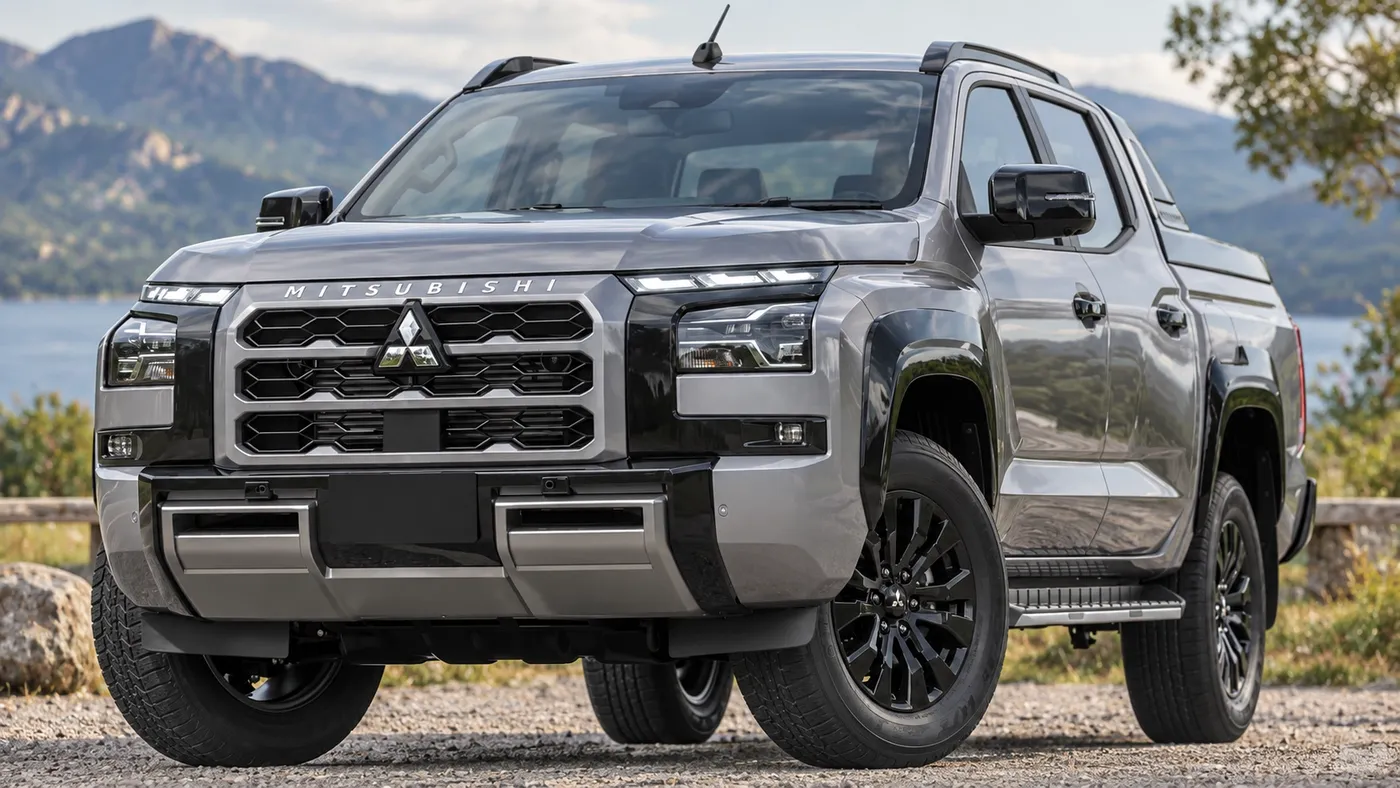
The 4d56 engine is Mitsubishi’s 2.5-litre four-cylinder diesel used across several bakkies, vans and SUVs. Buyers should confirm the exact version before purchasing a replacement.
Mitsubishi produced the 4D56 in several forms. Earlier versions commonly use an 8-valve cylinder head and older diesel injection.
Later Triton versions use a 16-valve DOHC head, common-rail injection and turbocharging. Some versions also use variable-geometry turbo technology.
This guide covers 4D56 specifications, Colt and Triton applications, common problems and replacement checks. Buyers can also review the Mitsubishi engine guide from Home of Engine & Transmissions.
What Is the Mitsubishi 4D56 Engine?
The Mitsubishi 4D56 is a 2,477 cc four-cylinder diesel engine from the 4D5 engine family.
It has a bore of 91.1 mm and a stroke of 95 mm.
Mitsubishi used the engine for many years in commercial and off-road vehicles. This long production period created several different 4D56 specifications.
Some versions use indirect injection. Later versions use electronically controlled common-rail direct injection.
Mitsubishi 4D56 Engine Specifications
The basic engine dimensions remain similar, but cylinder-head and fuel-system design changed over time.
| Mitsubishi 4D56 2.5 diesel engine specifications | ||
| Specification | 4D56 | Replacement Importance |
|---|---|---|
| Engine code | 4D56 | Main engine-family identifier |
| Capacity | 2,477 cc / 2.5L | Shared across several generations |
| Configuration | Inline four-cylinder | Core engine layout |
| Bore × stroke | 91.1 × 95 mm | Core internal dimensions |
| Older valvetrain | SOHC, 8 valves | Common on earlier 4D56 engines |
| Later valvetrain | DOHC, 16 valves | Common on later Triton DI-D versions |
| Fuel | Diesel | Fuel-system type varies |
| Aspiration | Naturally aspirated or turbocharged | Depends on application |
| Later fuel system | Common-rail direct injection | Injectors and ECU must match |
| Timing drive | Timing belt | Service history matters |
| Balance shaft | Separate belt drive | Inspect with the main timing belt |
Which Mitsubishi Vehicles Use the 4D56 Engine?
Mitsubishi used the 4D56 across several bakkie, van and SUV platforms.
-
Mitsubishi Colt 2.5 diesel
-
Mitsubishi L200
-
Mitsubishi Triton 2.5 DI-D
-
Mitsubishi Pajero 2.5 diesel
-
Mitsubishi Pajero Sport in selected markets
-
Mitsubishi L300
-
Mitsubishi L400
-
Mitsubishi Delica applications
The model name alone does not confirm direct compatibility. Production year and engine configuration still matter.
Does the Mitsubishi Colt Use the 4D56 Engine?
Yes. Selected Mitsubishi Colt and L200 2.5 diesel models use earlier versions of the 4D56.
These engines commonly use the older 8-valve cylinder-head design.
Older fuel systems also differ from the later common-rail Triton setup.
Do not assume that a later Triton engine can replace an older Colt unit without changes.
Does the Mitsubishi Triton Use the 4D56 Engine?
Yes. Several Mitsubishi Triton 2.5 DI-D models use a later 4D56 specification.
These engines commonly use a DOHC 16-valve cylinder head and common-rail diesel injection.
One documented Triton version produces 100 kW and 314 Nm.
Higher-output VGT versions also exist. The turbocharger and ECU therefore need careful matching.
What Is the Difference Between 8-Valve and 16-Valve 4D56 Engines?
The earlier 8-valve and later 16-valve 4D56 engines share the same basic capacity but use different cylinder-head and fuel-system designs.
| Older 8-valve versus later 16-valve Mitsubishi 4D56 | ||
| Feature | Earlier 4D56 | Later Triton 4D56 |
|---|---|---|
| Capacity | 2,477 cc | 2,477 cc |
| Cylinder head | SOHC 8-valve | DOHC 16-valve |
| Fuel system | Older mechanical or electronic diesel system | Common-rail direct injection |
| Turbo system | Varies by application | Turbocharged and intercooled |
| Electronics | Simpler older controls | Later ECU and injector control |
| Replacement | Match older specification | Match Triton DI-D specification |
Do not treat the two versions as direct substitutes based only on the 4D56 code.
Does the 4D56 Use a Timing Belt or Timing Chain?
The 4D56 uses a timing belt.
The engine also uses a separate belt for the balance shafts.
Both belts deserve attention when the service history remains unknown.
Inspect the tensioners and related pulleys at the same time.
Why Is the 4D56 Balance-Shaft Belt Important?
The smaller balance-shaft belt drives the engine’s balance-shaft system.
Failure can leave loose belt material inside the timing-cover area.
This can interfere with the main timing belt in severe cases.
Inspect both belts rather than servicing the main timing belt alone.
What Are Signs of 4D56 Timing-Belt Problems?
Timing-system problems can affect starting, performance and mechanical timing.
-
Visible belt cracking or contamination
-
Abnormal noise from the timing area
-
Incorrect engine timing
-
Difficult starting
-
Sudden loss of engine operation
-
Unknown timing-belt history
A workshop should inspect the timing system before regular use if the maintenance history remains unclear.
Can Overheating Damage a 4D56 Cylinder Head?
Yes. Severe overheating can damage the aluminium cylinder head and head gasket.
Repeated high temperatures can also distort the head or contribute to cracking.
Cooling-system problems can include radiator blockage, coolant loss, thermostat faults and water-pump problems.
Do not install another engine until the original overheating cause has been fixed.
What Are Warning Signs of 4D56 Head or Head-Gasket Problems?
Several symptoms can point to combustion or cooling-system problems.
-
Repeated overheating
-
Coolant loss without an obvious external leak
-
Pressure building in the cooling system
-
White exhaust smoke
-
Coolant contamination
-
Poor starting
-
Uneven running
-
Reduced compression
These symptoms need proper diagnosis. They do not prove cylinder-head failure on their own.
What Other Common 4D56 Problems Should You Check?
Age, mileage and fuel-system type can create different problems across the 4D56 range.
| Mitsubishi 4D56 symptoms and diagnostic checks | ||
| Symptom | Possible Cause | What to Check |
|---|---|---|
| Overheating | Cooling-system or head problem | Pressure-test cooling system and inspect head |
| Hard starting | Glow, fuel or compression fault | Check glow system, fuel delivery and compression |
| Power loss | Turbo, injector, EGR or boost issue | Inspect boost and fuel systems |
| Black smoke | Airflow, injector or boost fault | Check intake, turbo and injectors |
| Oil consumption | Turbo or internal wear | Inspect turbo and test compression |
| Timing concern | Timing or balance-shaft belt | Inspect both belt systems |
Can Injector Problems Feel Like 4D56 Engine Failure?
Yes. Injector problems can cause poor starting, smoke, rough running and power loss.
Later common-rail versions rely on electronically controlled high-pressure injectors.
Older engines use different injection systems.
Test the fuel system before condemning the complete engine.
Can Turbo Problems Damage a 4D56 Engine?
Yes. A failed turbo can cause secondary problems if it leaks oil or loses lubrication.
Turbo wear can also cause low boost, smoke and poor power.
Check the oil-feed and return lines when replacing a failed turbo.
Inspect the intercooler and boost hoses on turbocharged versions too.
Can a Colt 4D56 Engine Fit a Triton?
Do not assume direct compatibility between a Colt and later Triton 4D56.
The same engine family can use different cylinder heads, injectors and turbo systems.
Wiring, ECU, manifolds and gearbox components can also differ.
A later common-rail engine requires matching electronics and fuel-system hardware.
How Do You Identify the Correct 4D56 Replacement Engine?
Start with the complete 4d56 engine specification and VIN. Then confirm the vehicle model and production year.
| Information needed when sourcing a Mitsubishi 4D56 replacement engine | |
| Information | Why It Matters |
|---|---|
| VIN | Confirms the original vehicle specification |
| Engine code | Confirms the 4D56 family |
| 8V or 16V | Separates major engine versions |
| Fuel system | Older and common-rail versions differ |
| Turbo type | Fixed and VGT setups can differ |
| Model year | Identifies the correct generation |
| Gearbox | Transmission-side parts must match |
| Drivetrain | 2WD and 4WD components can differ |
The Home of Engine & Transmissions Mitsubishi guide recommends matching by model, year, fuel type, engine code and gearbox.
What Should You Check When Buying a Used 4D56 Engine?
Check compatibility and mechanical condition before purchasing a used 4D56.
-
Confirm the exact 4D56 version.
-
Confirm 8-valve or 16-valve specification.
-
Check the donor vehicle and production year.
-
Inspect engine oil condition.
-
Check coolant condition.
-
Look for signs of overheating.
-
Check for combustion pressure in the cooling system.
-
Inspect the timing belt.
-
Inspect the balance-shaft belt.
-
Check the turbocharger where fitted.
-
Inspect injectors and fuel-system components.
-
Compare wiring and sensors.
-
Compare the sump and engine mounts.
-
Confirm gearbox compatibility.
Ask what inspection and testing apply to the individual engine before purchase.
Should You Repair or Replace a Mitsubishi 4D56 Engine?
The correct option depends on the fault and the condition of the original engine.
| Mitsubishi 4D56 engine repair versus replacement | ||
| Option | When It May Make Sense | Main Consideration |
|---|---|---|
| Fuel-system repair | Injector or pump fault | Internal engine remains healthy |
| Turbo repair | Turbo fault only | Check lubrication and intake system |
| Cylinder-head repair | Damage remains limited to the head | Inspect block and pistons first |
| Engine rebuild | Major components remain reusable | Compare parts and machining costs |
| Replacement engine | Severe overheating or internal damage | Match the correct 4D56 version |
What Should You Check Before Installing a 4D56 Replacement Engine?
Find the cause of the original engine failure before installing another unit.
-
Radiator
-
Thermostat
-
Water pump
-
Coolant hoses
-
Timing belt
-
Balance-shaft belt
-
Belt tensioners
-
Engine oil and filter
-
Fuel filter
-
Injectors
-
Injection pump on applicable versions
-
Turbocharger
-
Intercooler and boost hoses
-
EGR system on applicable versions
-
Engine mounts
-
Clutch or flexplate
-
Gearbox connection
After installation, confirm oil pressure and coolant circulation. Check fuel delivery and operating temperature.
Check turbo boost on applicable engines. Scan later common-rail vehicles for diagnostic fault codes.
What Warranty Applies to a Home of Engine & Transmissions 4D56 Replacement?
Buyers should confirm the exact terms before installing a 4D56 replacement engine.
Ask which supplied components receive cover. Also confirm installation and service requirements.
Where Can You Find a 4D56 Engine in South Africa?
South African buyers looking for a 4d56 engine can use the Home of Engine & Transmissions Mitsubishi guide to review replacement options.
Home of Engine & Transmissions supplies imported Mitsubishi engines and offers nationwide delivery across South Africa.
Stock changes regularly. Confirm the exact 4D56 version and current availability before arranging fitment.
Send your VIN, engine code and a few photos of the old unit on WhatsApp to +27 (0)67 163 9326 or email sales@homeofengineworld.co.za, and the Home of Engine & Transmissions team will check the match before you pay.
What size is the Mitsubishi 4D56 engine?
The Mitsubishi 4D56 has a displacement of 2,477 cc. Mitsubishi commonly describes it as a 2.5-litre diesel.
How many cylinders does the 4D56 have?
The 4D56 uses an inline four-cylinder layout.
Is the 4D56 an 8-valve or 16-valve engine?
Both versions exist. Older engines commonly use an 8-valve head, while later Triton versions use a 16-valve DOHC head.
Does the 4D56 use a timing belt?
Yes. The Mitsubishi 4D56 uses a timing belt and a separate balance-shaft belt.
Does the Triton 2.5 DI-D use a 4D56 engine?
Yes. Several Mitsubishi Triton 2.5 DI-D models use later 16-valve common-rail versions of the 4D56.
Can a Colt 4D56 fit a Triton?
Do not assume direct compatibility. Cylinder head, injection, turbo, wiring and electronics can differ significantly.
Can overheating damage a 4D56 cylinder head?
Yes. Severe overheating can damage the cylinder head and head gasket. Repeated overheating can cause further internal damage.
What information should I provide when buying a 4D56 engine?
Provide the VIN, model, production year, 8V or 16V specification, gearbox and fuel-system details.
Final Advice Before Buying a Mitsubishi 4D56 Replacement Engine
The safest way to buy a 4d56 engine is to match the exact version against the original Mitsubishi specification.
Do not order according to “Mitsubishi 2.5 diesel” alone. Older Colt engines and later Triton engines can differ significantly.
Confirm whether the engine uses an 8-valve or 16-valve head. Check the injection system, turbo, wiring and gearbox too.
Inspect the timing belt, balance-shaft belt and cooling system before installation. Repair the original cause of failure first.