
2TR Engine Guide: Toyota 2.7 Petrol Specs, Hilux and Quantum Compatibility
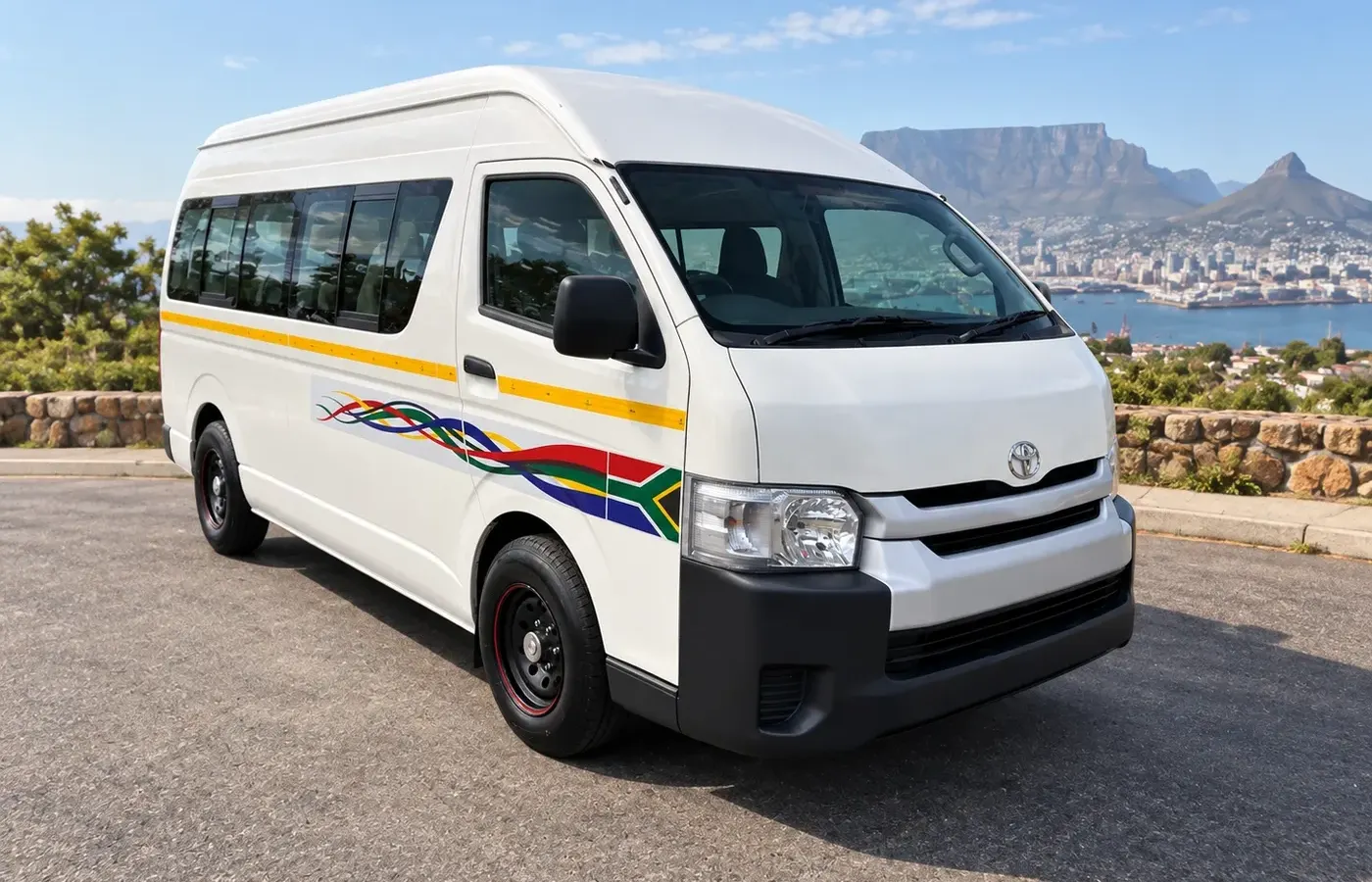
The 2tr engine is Toyota’s 2.7-litre four-cylinder petrol engine used in vehicles such as the Hilux and Quantum. Buyers should still confirm the exact 2TR-FE version before purchasing a replacement.
The Toyota 2TR-FE has a displacement of approximately 2,694 cc. It uses a DOHC 16-valve cylinder head and electronic petrol injection.
Earlier versions use VVT-i and produce around 111 kW and 241 Nm in documented Quantum applications. Later Hilux versions produce around 122 kW and 245 Nm.
These differences make model year and donor vehicle important during replacement. External parts, electronics and gearbox combinations can also vary.
This guide covers 2TR-FE specifications, Hilux and Quantum compatibility, timing-chain checks and replacement considerations. Buyers can also view the Toyota engine guide from Home of Engine & Transmissions.
What Is the Toyota 2TR Engine?
The Toyota 2TR-FE is a 2.7-litre naturally aspirated petrol engine from Toyota’s TR engine family.
It uses an inline four-cylinder layout with dual overhead camshafts and four valves per cylinder.
Toyota developed the 2TR-FE from the smaller 1TR-FE architecture. The larger engine gained extra capacity for commercial and utility applications.
The engine also uses a balance shaft to help reduce vibration.
Toyota 2TR-FE Engine Specifications
The core 2TR-FE specifications remain similar across applications. Power output and valve-control details can change with model year.
| Toyota 2TR-FE 2.7 petrol engine specifications | ||
| Specification | Toyota 2TR-FE | Why It Matters |
|---|---|---|
| Engine code | 2TR-FE | Main replacement identifier |
| Capacity | Approx. 2,694 cc / 2.7L | Separates it from the 2.0L 1TR-FE |
| Configuration | Inline four-cylinder | Core engine layout |
| Bore × stroke | 95 × 95 mm | Core internal dimensions |
| Valvetrain | DOHC, 16 valves | Four valves per cylinder |
| Fuel | Petrol | Uses electronic petrol injection |
| Aspiration | Naturally aspirated | No factory turbo on standard applications |
| Valve control | VVT-i on earlier versions | Later specifications use updated valve control |
| Earlier output | Approx. 111 kW / 241 Nm | Seen in earlier Quantum applications |
| Later output | Approx. 122 kW / 245 Nm | Seen in later Hilux applications |
| Timing drive | Timing chain | No conventional timing belt |
Which Toyota Vehicles Use the 2TR-FE Engine?
Toyota used the 2TR-FE across several utility, commercial and SUV applications.
Common applications include selected:
-
Toyota Hilux 2.7 petrol
-
Toyota Quantum 2.7 petrol
-
Toyota HiAce 2.7 petrol
-
Toyota Fortuner 2.7 petrol
-
Toyota Innova 2.7 petrol
-
Toyota Land Cruiser Prado 2.7 petrol in selected markets
-
Other international Toyota commercial applications
The presence of a 2TR-FE code does not guarantee identical fitment. Toyota changed external components across vehicles and production years.
Is the Hilux 2.7 Engine a 2TR-FE?
Yes. Many Toyota Hilux 2.7 petrol models use the 2TR-FE engine.
Earlier Hilux versions used lower-output 2TR-FE specifications. Later South African versions produce approximately 122 kW and 245 Nm.
The later Hilux also uses updated engine controls and supporting components.
Always match the model year, VIN, gearbox and original engine before ordering.
Does the Toyota Quantum Use the 2TR-FE?
Yes. Selected Toyota Quantum 2.7 petrol models use the 2TR-FE.
Earlier South African Quantum applications produce approximately 111 kW and 241 Nm.
These vehicles use the engine in a commercial van configuration. The external setup can differ from a Hilux installation.
Manifolds, mounts, accessories and gearbox-side components deserve careful comparison.
Is a Hilux 2TR Engine the Same as a Quantum 2TR Engine?
The Hilux and Quantum can share the same basic 2TR-FE engine family. That does not make every unit directly interchangeable.
| Hilux versus Quantum 2TR-FE replacement considerations | ||
| Area | Hilux 2.7 | Quantum 2.7 |
|---|---|---|
| Engine family | 2TR-FE | 2TR-FE |
| Capacity | Approx. 2.7L | Approx. 2.7L |
| Output | Varies by generation | Earlier SA versions around 111 kW |
| Mounts | Hilux-specific configuration | Commercial-van configuration |
| External parts | May differ | May differ |
| Gearbox | Check exact transmission | Check exact transmission |
A workshop may transfer compatible external parts from the original engine in some installations.
Confirm this before purchasing the donor engine.
Does the 2TR-FE Use a Timing Belt or Timing Chain?
The Toyota 2TR-FE uses a timing chain.
The chain connects the crankshaft and camshaft timing system. Guides and a tensioner keep the chain correctly positioned.
A timing chain does not use the same scheduled replacement approach as a conventional timing belt.
However, poor lubrication or worn timing components can still create problems.
What Are Signs of 2TR Timing-Chain Wear?
Timing-chain wear can create abnormal mechanical noise or incorrect cam timing.
-
Rattle from the timing-cover area
-
Noise during start-up
-
Camshaft or crankshaft correlation fault codes
-
Rough running
-
Poor engine performance
-
Incorrect mechanical timing
These symptoms can have other causes. A workshop should inspect the chain, guides, tensioner and engine-oil condition before replacing major parts.
Does Timing-Chain Noise Mean the 2TR Engine Needs Replacement?
No. Timing-chain noise does not automatically mean the complete engine has failed.
A worn chain, guide or tensioner may require timing-system repairs while the base engine remains serviceable.
Internal damage becomes more serious if the engine loses correct valve timing.
What Other Problems Should You Check on a 2TR-FE?
A used 2TR-FE can develop age, mileage and maintenance-related problems.
| Toyota 2TR-FE symptoms and replacement checks | ||
| Symptom | Possible Cause | Recommended Check |
|---|---|---|
| Oil leak | Seal or gasket wear | Locate the leak before oil loss becomes severe |
| Overheating | Cooling-system fault | Inspect radiator, thermostat and water pump |
| Rough running | Ignition, injector, intake or compression problem | Scan, ignition test and compression test |
| Timing noise | Chain, guide or tensioner wear | Inspect the timing system |
| Oil consumption | Internal wear or external leakage | Check leaks and engine compression |
| Loss of power | Fuel, ignition, intake or compression fault | Diagnose supporting systems first |
Can Overheating Damage a Toyota 2TR Engine?
Yes. Severe overheating can cause major damage to a 2TR-FE.
High temperatures can damage the head gasket and cylinder head. Continued driving can also damage pistons, bores and bearings.
Cooling-system faults can involve the radiator, thermostat, water pump, hoses or coolant loss.
Find the cause of overheating before fitting a replacement engine.
Can Ignition Problems Feel Like 2TR Engine Failure?
Yes. Ignition faults can cause rough running, misfires and power loss.
The 2TR-FE uses electronic ignition with individual coils. Spark plugs and coils can affect combustion quality.
Injector and intake faults can create similar symptoms.
Diagnose these systems before replacing a mechanically healthy engine.
How Do You Identify the Correct 2TR Replacement Engine?
Start with the engine code when sourcing a replacement 2tr engine. Then confirm the vehicle model and production year.
| Information needed when sourcing a Toyota 2TR-FE engine | |
| Information | Why It Matters |
|---|---|
| VIN | Helps identify the factory specification |
| Engine code | Confirms the 2TR-FE family |
| Model | Hilux and Quantum installations can differ |
| Model year | Output and electronics changed over time |
| Gearbox | Transmission-side parts must match |
| Drivetrain | 2WD and 4WD installations can differ |
| Photographs | Helps compare mounts and external parts |
Home of Engine & Transmissions recommends supplying the model, year, engine size, fuel type and engine code for Toyota engine matching.
What Should You Check When Buying a Used 2TR Engine?
Compatibility and condition both matter when buying a used 2TR-FE.
-
Confirm the 2TR-FE code.
-
Confirm the donor vehicle.
-
Check the production year.
-
Inspect engine oil condition.
-
Look for external oil leaks.
-
Check coolant condition.
-
Look for overheating evidence.
-
Listen for timing-chain noise.
-
Compare intake and exhaust manifolds.
-
Compare wiring and sensors.
-
Check engine mounts and brackets.
-
Compare the sump configuration.
-
Confirm gearbox compatibility.
-
Confirm which accessories come with the engine.
Ask what testing applies to the specific replacement unit before purchase.
Should You Repair or Replace a Toyota 2TR-FE?
The correct option depends on the fault and the condition of the original engine.
| Toyota 2TR-FE repair versus replacement | ||
| Option | When It May Make Sense | Main Consideration |
|---|---|---|
| Ignition or fuel repair | Internal engine remains healthy | Diagnose external systems first |
| Timing repair | Chain or tensioner needs attention | Confirm no internal timing damage |
| Cylinder-head repair | Damage remains limited to the head | Inspect the lower engine |
| Engine rebuild | Major parts remain reusable | Compare parts and labour costs |
| Replacement engine | Severe internal damage exists | Match the correct 2TR-FE configuration |
What Should You Check Before Installing a 2TR-FE Replacement Engine?
Identify the cause of the original failure before fitting another engine.
-
Radiator
-
Thermostat
-
Water pump
-
Coolant hoses
-
Engine oil and filter
-
Timing chain and tensioner
-
Spark plugs
-
Ignition coils
-
Injectors
-
Throttle body
-
Wiring and sensors
-
Engine mounts
-
Clutch or flexplate
-
Gearbox connection
After installation, confirm oil pressure and coolant circulation. Check idle quality, temperature and fuel delivery.
Scan the ECU for fault codes. Inspect the engine for oil, coolant and fuel leaks too.
What Warranty Applies to a Home of Engine & Transmissions 2TR Replacement?
Buyers should confirm the terms for the specific 2TR-FE before installation.
Ask which components the warranty covers. Also confirm installation, cooling-system and service requirements.
Where Can You Find a Toyota 2TR Engine in South Africa?
South African buyers looking for a 2tr engine can use the Home of Engine & Transmissions Toyota guide to review replacement options.
Home of Engine & Transmissions supplies imported and replacement Toyota engines to customers across South Africa.
Stock changes regularly. Confirm current 2TR-FE availability before arranging fitment.
Send your VIN, engine code and a few photos of the old unit on WhatsApp to +27 (0)67 163 9326 or email sales@homeofengineworld.co.za, and the Home of Engine & Transmissions team will check the match before you pay.
What size is the Toyota 2TR-FE engine?
The Toyota 2TR-FE has a displacement of approximately 2,694 cc. Toyota commonly describes it as a 2.7-litre petrol engine.
How many cylinders does the 2TR-FE have?
The 2TR-FE uses an inline four-cylinder configuration with 16 valves.
Does the Toyota 2TR-FE use a timing belt?
No. The Toyota 2TR-FE uses a timing-chain system.
Is the Hilux 2.7 engine a 2TR-FE?
Yes. Many Toyota Hilux 2.7 petrol models use the 2TR-FE engine.
Does the Toyota Quantum 2.7 use the 2TR-FE?
Yes. Selected Toyota Quantum 2.7 petrol models use the 2TR-FE.
Is a Hilux 2TR engine the same as a Quantum 2TR engine?
They can share the same basic 2TR-FE family. However, mounts, manifolds, electronics and gearbox components can differ.
How much power does a Toyota 2TR-FE produce?
Output depends on the version. Earlier applications produce around 111 kW, while later Hilux versions produce around 122 kW.
Can timing-chain wear damage a 2TR-FE?
Yes. Severe timing wear can affect valve timing. Early diagnosis can prevent more serious mechanical damage.
What information should I provide when buying a 2TR engine?
Provide the VIN, model, production year, engine code, gearbox and drivetrain. Photographs can also help confirm fitment.
Final Advice Before Buying a Toyota 2TR Replacement Engine
The safest way to buy a 2tr engine is to match the replacement with the original Toyota specification.
Do not rely on “Toyota 2.7 petrol” alone. Hilux and Quantum applications can use different external parts and calibrations.
Confirm the VIN, model year, gearbox and drivetrain. Compare the manifolds, mounts, wiring and transmission-side components too.
Inspect the cooling system and timing components before installation. Repair the cause of the original engine failure first.